
Most health-related tree problems in Central Texas don’t start in the canopy. They start in the rocky, compacted soil underneath your grass. When summer heat hardens the ground, tree roots suffocate, leading to yellowing leaves, pest infestations, and premature canopy dieback.
Proactive plant health care restores soil health through deep-root feeding and aeration, giving your plants the foundation they need to survive extreme climate conditions and other environmental factors.
At Wilder Tree Company, our arborist-led team works with Austin homeowners to keep landscapes healthy through consistent, science-based care. Whether you’re managing a few live oaks or a full residential yard, here’s how professional plant health care services keep your garden healthy and resilient against extreme local weather.
Get in touch for a free consultation and estimate or call (512) 729-8733 to speak with our team today.
Key Takeaways
- Catching problems early saves you thousands compared to emergency tree removal down the road.
- Austin’s shallow, rocky soil is usually the reason for yellowing leaves and dying branches.
- Local threats like oak wilt and extreme summer heat require care specifically tailored to Central Texas.
- Timing your trimming correctly is the single easiest way to protect your oaks from dangerous fungal infections.
- Routine, professional care keeps your plants and soil healthy while preventing costly property damage.
Why Austin’s Climate Makes Plant Health Care Non-Negotiable
Central Texas weather and soil conditions aren’t particularly forgiving. The ground is packed with caliche and limestone, which restricts roots from spreading out and blocks essential nutrient absorption. Add months of intense sun without a drop of rain, and your trees end up losing moisture reserves faster than they can replenish them. Over time, this chronic physiological strain compromises the natural defense systems of even the hardiest native species.
When trees are chronically stressed, secondary pests and opportunistic diseases move in rapidly. Common local issues that follow environmental stress include:
- Wood-boring beetles and sap-feeding insects
- Scale insect infestations that weaken canopy foliage
- Fungal pathogens targeting root zones and foliage
- Progressive soil compaction and root decay
A mild insect infestation that a well-hydrated tree could easily resist can quickly devastate a tree that is already struggling with nutrient deficiencies.
How Plant Health Care Services Help Plants Live Longer
The most direct benefit of a structured plant health care program is extended plant longevity. Trees and shrubs that receive regular treatment survive significantly longer through harsh Central Texas weather cycles than those left to fend for themselves. Building that longevity always starts with the soil.
Local soils are naturally dense, low in organic matter, and easily compacted by foot traffic or heavy rain. Deep root fertilization counteracts this by injecting customized liquid nutrients, systemic soil conditioners, and beneficial mycorrhizal fungi directly into the active root zone under high pressure. This process breaks up compacted earth and ensures roots receive vital compounds that surface-applied fertilizers simply cannot deliver.
Routine inspections catch internal distress long before top-tier symptoms show up. Subtle leaf chlorosis, canopy thinning, or early bark splitting are usually late-stage warnings of root issues that have been building for months. Catching these early saves both your budget and your trees.
Why Pruning Timing Matters as Much as Technique
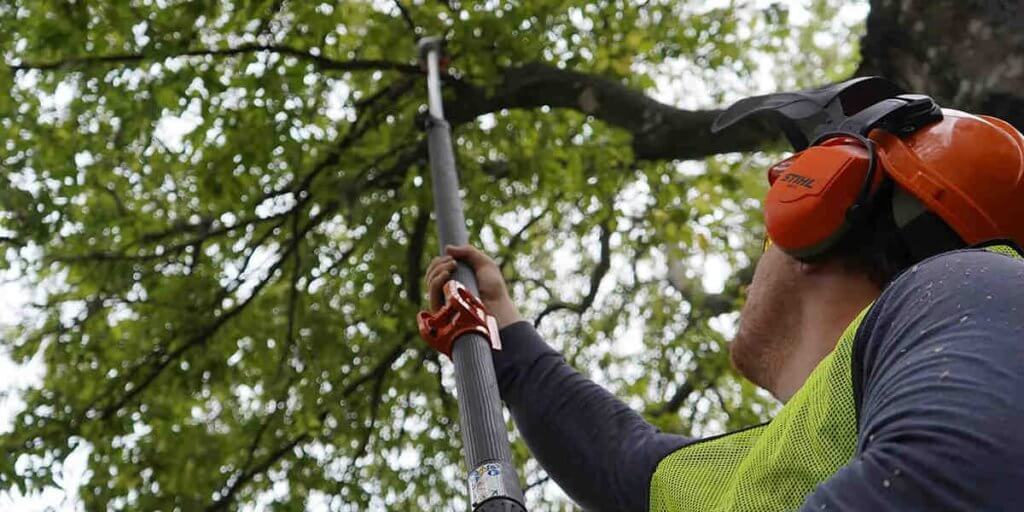
While routine tree trimming and pruning is essential for canopy airflow and structure, when you trim in Austin is just as important as how you trim.
Pruning oak trees between February and June dramatically increases the risk of oak wilt infection, as fresh pruning cuts attract the specific nitidulid beetles that carry fungal spores.
Managing Regional Threats Like Oak Wilt
Oak wilt is easily the worst tree disease in Austin. A single infected oak can compromise an entire neighborhood canopy within a single growing season. Because live oaks frequently share interconnected root systems underground, the Bretziella fagacearum fungus can pass from tree to tree without needing an above-ground entry point.
Our oak wilt treatment program stops the disease before it spreads using root barriers, strictly timed trimming, and direct fungicide treatments.
Planning Your Seasonal Plant Health Care Services
Every yard in Austin is a little different, from the dirt under your grass to the trees overhead. To keep your landscape healthy year-round, your care routine needs to match Central Texas’s changing seasons:
| Season | Plant Health Care Focus |
| Late fall / winter | Structural pruning, deep root fertilization, soil amendments |
| Early spring / early summer | Microbial soil conditioning, preventative pest and disease treatments |
| Late spring | Oak wilt risk period — careful monitoring; avoid pruning oaks |
| Summer | Drought monitoring, irrigation support, moisture management |
| Fall | Post-summer health inspections, follow-up treatments as needed |
Instead of relying on rigid calendar schedules, we inspect your yard first to see what your soil and trees need. We then apply targeted treatments, feeding your soil with beneficial microbes and treating bug problems at the source.
How Consistent Care Reduces Long-Term Maintenance Demands
Many homeowners think having an established, healthy garden with fully grown trees means paying for one expensive emergency after another. But constant landscaping emergencies are almost always a symptom of underlying health imbalances rather than normal site upkeep.
When trees are stuck in hard, nutrient-poor soil, they need constant reactive treatments. You end up paying for emergency limb removals, spraying for bugs repeatedly, and replacing dead plants.
Proactive care breaks that expensive cycle:
- Deep Root Feeding: Stops yellowing leaves, slow growth, and dying canopies
- Soil Conditioning: Fixes hard-packed dirt, poor drainage, and drought stress
- Preventative Bug Control: Prevents sudden pest outbreaks and the spread of diseases
- Structural Pruning: Prevents snapped branches, storm damage, and heavy, overcrowded limbs
- Oak Wilt Protocols: Stops rapid tree loss and keeps fungal diseases from spreading underground
Once your soil is healthy, your trees handle heat and dry spells on their own, saving you from costly repairs.
Why Tree Structural Health Is a Safety Issue
Plant health care is a fundamental safety measure for your home and family. Weak, starving trees often hide rot or weak spots, making them a serious hazard when bad weather hits.
Central Texas is notorious for severe seasonal storms that bring high wind gusts immediately after long dry spells. When heavy rain suddenly weighs down a dry, brittle canopy, weak branches snap. Even worse, if tree roots can’t push deep enough through local limestone, the whole tree can pull out of the ground during a bad storm.
A professional tree risk assessment gives you a detailed look at your trees’ strength so you can address dangerous limbs long before the next storm tests them.
Healthy Trees Add Measurable Value to Your Property
A well-cared-for yard gives your home instant curb appeal and shows buyers the property has been properly maintained. Data from the Arbor Day Foundation shows that healthy, established trees can boost your overall property value by 7 to 19%.
Beyond aesthetic appeal, mature shade trees also provide immediate savings through energy conservation. The U.S. Department of Energy reports that strategically placed shade trees can cut home cooling costs by up to 25%. In Central Texas, where the AC runs nonstop for half the year, that extra shade delivers major savings every single summer.
Frequently Asked Questions About Plant Health Care Services
What are plant health care services?
Plant health care is a proactive approach to keeping your trees and soil healthy over the long term. It includes deep root fertilization, soil aeration, pest control, structural pruning, and regular arborist checkups to catch hidden problems before they become costly emergencies.
How often should I schedule plant health care for my trees?
For most Austin homes, a checkup once or twice a year is all it takes. However, if your trees are bouncing back from heavy construction, storm damage, or a recent disease outbreak, having a professional check in every few months is a smart move until they fully recover.
What is deep root fertilization, and why does it matter for Central Texas trees?
Instead of scattering fertilizer on top of hard-packed soil where it washes away, deep root feeding uses pressurized equipment to push water, nutrients, and microbes directly into the root zone. It breaks up tight Austin dirt and feeds your trees where it counts most.
Can plant health care services help protect against oak wilt?
Yes. Proactive care, like risk-free pruning schedules, wound painting, deep soil feeding, and preventative fungicide treatments, gives your oaks the absolute best defense against fungal spread.
How do I know if my trees need professional plant health care?
Look out for thinning leaves, leaves turning yellow or dropping early, dead branches high up in the tree, or mushrooms growing near the trunk. Since most tree health problems start deep underground, routine checkups help catch issues before your trees show visible signs of distress.
Protect Your Landscape With Expert Plant Health Care
Wilder Tree Company proudly serves homeowners throughout Austin and neighboring communities. Backed by ISA Certified Arborists, Texas Oak Wilt Qualifications, and Tree Risk Assessment Qualifications, our arborist-led team delivers science-backed solutions tailored specifically to your landscape.
Contact us online for a free consultation and estimate, or call us at (512) 729-8733 to set up your visit today!